13 October 2026
Living in Bethlehem PA: A Real Estate Guide to Historic Charm and Modern Comfort
Presented by @mylivingbethlehempaspace
When people ask me what it's really like to settle down in the Lehigh Valley, I usually start with a story. A few years ago, I helped a young couple from New Jersey find their first home. They had visited Bethlehem for Musikfest, fell in love with the old stone buildings and the way the Monocacy Creek runs through the heart of town, and decided they wanted to stay. That kind of instant pull happens a lot here. There is something about the mix of 18th-century architecture, a thriving arts scene, and a cost of living that still makes sense for families and professionals alike.
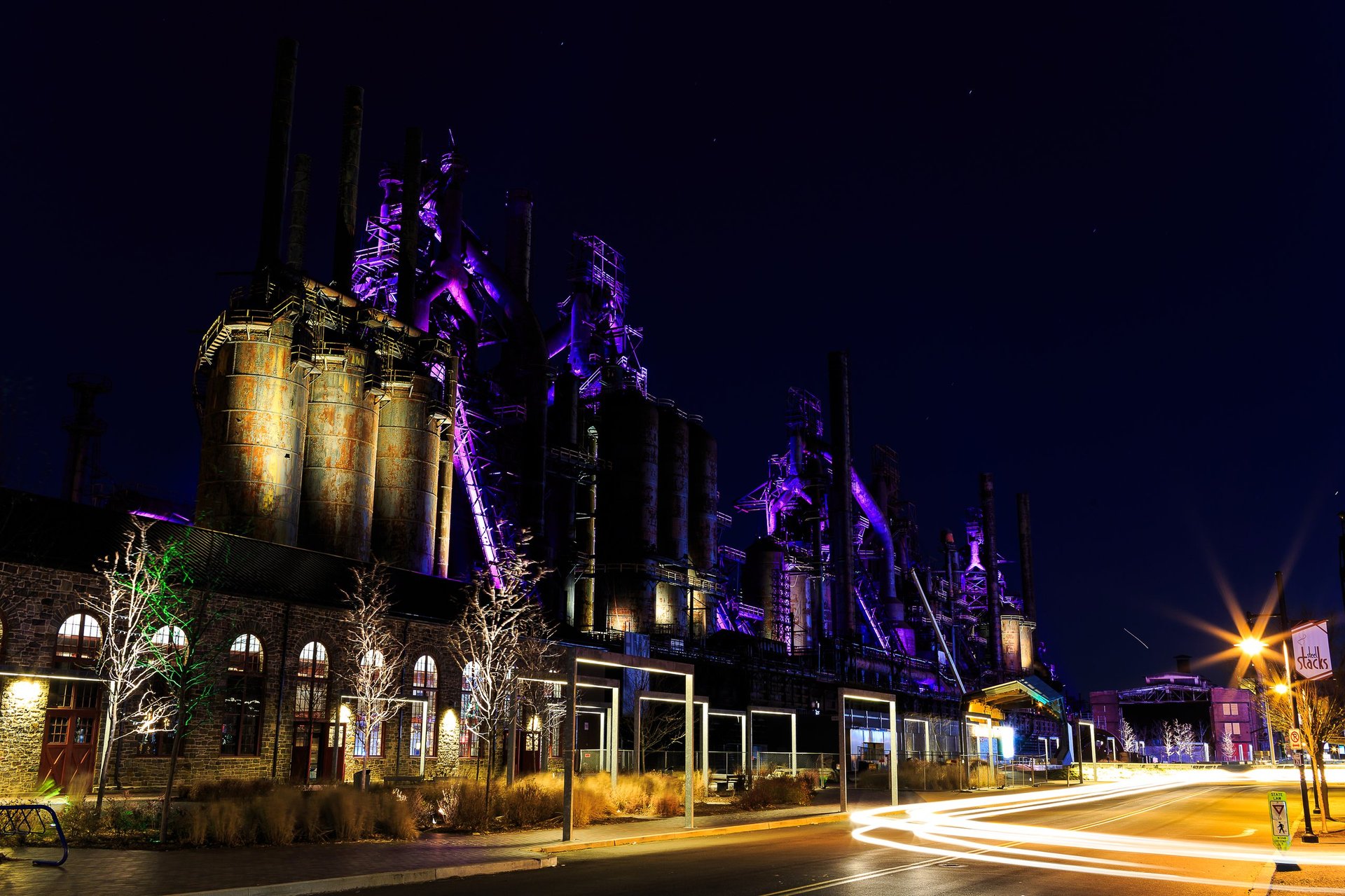
Living in Bethlehem PA means waking up to a city that has been reinventing itself for three centuries. It began as a Moravian settlement in 1741, and that heritage is not hidden away in a museum. It is right there on Main Street, in the preserved industrial ruins of the Bethlehem Steel plant, and in the festivals that fill the calendar year round. For anyone looking at real estate in the region, understanding that blend of old and new is the key to finding the right neighborhood and the right investment.
The Real Estate Landscape: What to Expect
Bethlehem is not a one-size-fits-all market. The city is roughly divided into the North Side, the South Side, and the West Side, plus a growing number of suburban developments that stretch into surrounding townships like Bethlehem Township and Lower Saucon. Each area has its own character and price points.
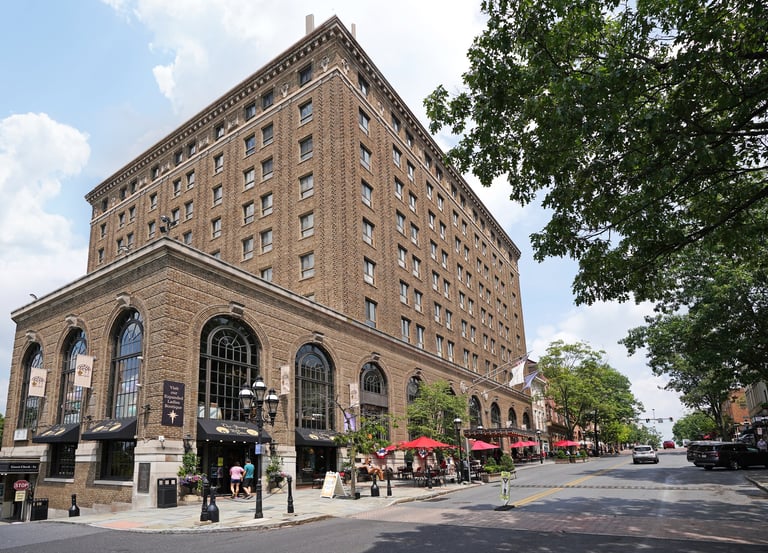
On the North Side, you find the historic district. Think brick sidewalks, row houses with steep roofs, and a walkable downtown with independent bookstores and coffee shops. Inventory here tends to be older, which means charm but also maintenance. A two-bedroom condo in a converted mill might run around $250,000 to $350,000, while a single-family home with three bedrooms and a bit of yard can easily go for $400,000 or more. The trade-off is proximity to the Colonial Industrial Quarter and the north end of the Bethlehem Greenway, a repurposed rail line turned walking path.
The South Side is where the energy feels different. It is home to Lehigh University, so the population skews younger and more transient. You get a mix of student rentals, modest bungalows, and newer townhouse developments near the former Bethlehem Steel site. The SteelStacks campus has become a cultural anchor, with concerts, a weekly farmers market, and the Banana Factory arts center. Prices on the South Side are generally a bit lower than the North Side. A fixer-upper might list at $200,000, while a renovated three-bedroom could be $350,000. The trade-off here is noise and parking. During the school year, streets fill up, and some blocks can feel like a college town.
West Bethlehem and the suburban fringe offer more space. You see split-level homes from the 1960s, ranch houses, and newer construction with open floor plans. These areas are popular with families who want good schools (the Bethlehem Area School District is solid) and a yard. Prices range from $300,000 to $600,000 depending on square footage and lot size. The downside is that you lose some walkability. You will need a car for most errands, and the commute to downtown Bethlehem can take fifteen minutes by car during rush hour.
Cost of Living: A Balanced Picture
One of the biggest draws of living in Bethlehem PA is that you get urban amenities without urban taxes. Property tax rates in Northampton County are moderate, and while they have crept up over the past decade, they remain lower than comparable communities in New Jersey or the Philadelphia suburbs. Utility costs are typical for the Northeast, but the older housing stock means some homes have poor insulation or outdated heating systems. A home inspection is not optional here. I have seen buyers fall in love with a 19th-century rowhouse only to discover that the furnace is original and the windows are single-pane. Budget for upgrades.
Groceries and dining are reasonable. You can get a high-quality dinner for two at a place like The Bayou or Apollo Grill for around $60, not counting drinks. The farmers markets on the South Side and at the SteelStacks are great for local produce, but they are seasonal. In winter, you will rely on the big chains like Wegmans or Giant. Healthcare is well served by St. Luke's University Health Network, which has a major hospital on the eastern edge of the city.
Culture and Community: More Than Steel
Bethlehem is famous for Musikfest, the ten-day music festival that takes over the downtown every August. But the cultural calendar is packed all year. There is the Christkindlmarkt in December, a German-style Christmas market that feels like something out of a storybook. The Levitt Pavilion on the South Side hosts free concerts all summer. And the Bethlehem Fine Arts Show brings artists from across the region to Main Street.
For a city of about 75,000 people, the arts infrastructure is impressive. The Pennsylvania Youth Theatre, the Bach Choir, and the Touchstone Theatre all call Bethlehem home. That kind of density of arts organizations is unusual for a city this size, and it creates a community that feels engaged and creative. When you are considering living in Bethlehem PA, that cultural richness is a major factor. It is the kind of place where you can walk to a gallery opening on a Friday night and run into your neighbors.
Transportation and Commute
The practical side of life here matters just as much. Bethlehem sits at the intersection of two major highways: Route 22 (the Lehigh Valley Thruway) and Route 78, which runs just south of the city. If you commute to jobs in Allentown or Easton, you are looking at a twenty-minute drive. For Philadelphia, it is about an hour and a half. New York City is roughly the same time, depending on traffic. There is no direct train to either city, which is a downside. The closest Amtrak station is in Allentown, and it has limited service. Most people drive to the Park and Ride lots or take a bus service like Trans-Bridge Lines to Manhattan.
Within the city, you can get by without a car if you live on the North or South Side. The LANTA bus system is decent for a small city, but it is not frequent. Biking is growing, especially with the Greenway connecting the two sides of town, but the hills can be punishing. I recommend having at least one car per household, even if you work from home.
Schools and Family Life
The Bethlehem Area School District serves the city and parts of the surrounding townships. It includes several magnet programs and a strong vocational-technical school. The high schools, Liberty and Freedom, have good reputations and offer a range of AP courses. For younger children, there are well-regarded elementary schools like Spring Garden and Asa Packer. Private and parochial options include Moravian Academy and the Lehigh Valley Christian School.
Parks are abundant. The city maintains over thirty parks, including the expansive 85-acre Bethlehem Township Community Park, which has sports fields, a dog park, and a pond. The Monocacy Park and the Illick's Mill area offer trails and a nature center. For families with young kids, the South Side's Sand Island is a summer favorite, with a small beach on the Lehigh River and a playground.
The Bottom Line
Living in Bethlehem PA is not for everyone. If you need a 24-hour subway or a nightlife scene that goes past midnight, this city will feel sleepy. But if you value walkable neighborhoods, a strong sense of history, and a real estate market where you can still find a good deal if you are patient, it is hard to beat. The key is to match your priorities to the right neighborhood. Do you want a condo in a converted silk mill with exposed brick and a view of the river? That is the North Side. Do you want a single-family home with a yard and good schools at a reasonable price? Look at West Bethlehem or the township. Do you want to be in the middle of the action, within walking distance of bars and concert venues? The South Side is your spot.
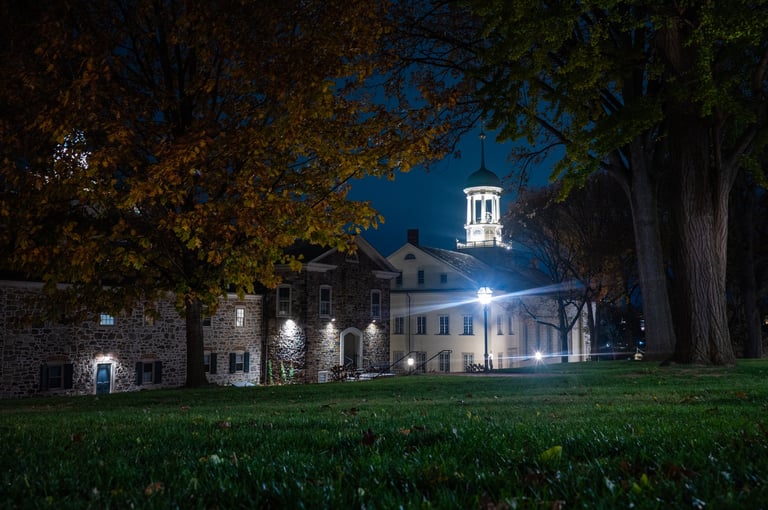
Every time I drive over the Hill-to-Hill Bridge and see the city laid out below, with the steel plant's blast furnaces glowing in the sunset and the church steeples rising above the tree line, I am reminded why people have been moving here for three hundred years. It is a place that holds onto its past while making room for the future. And for anyone considering a move, that balance is exactly what makes it worth a closer look.